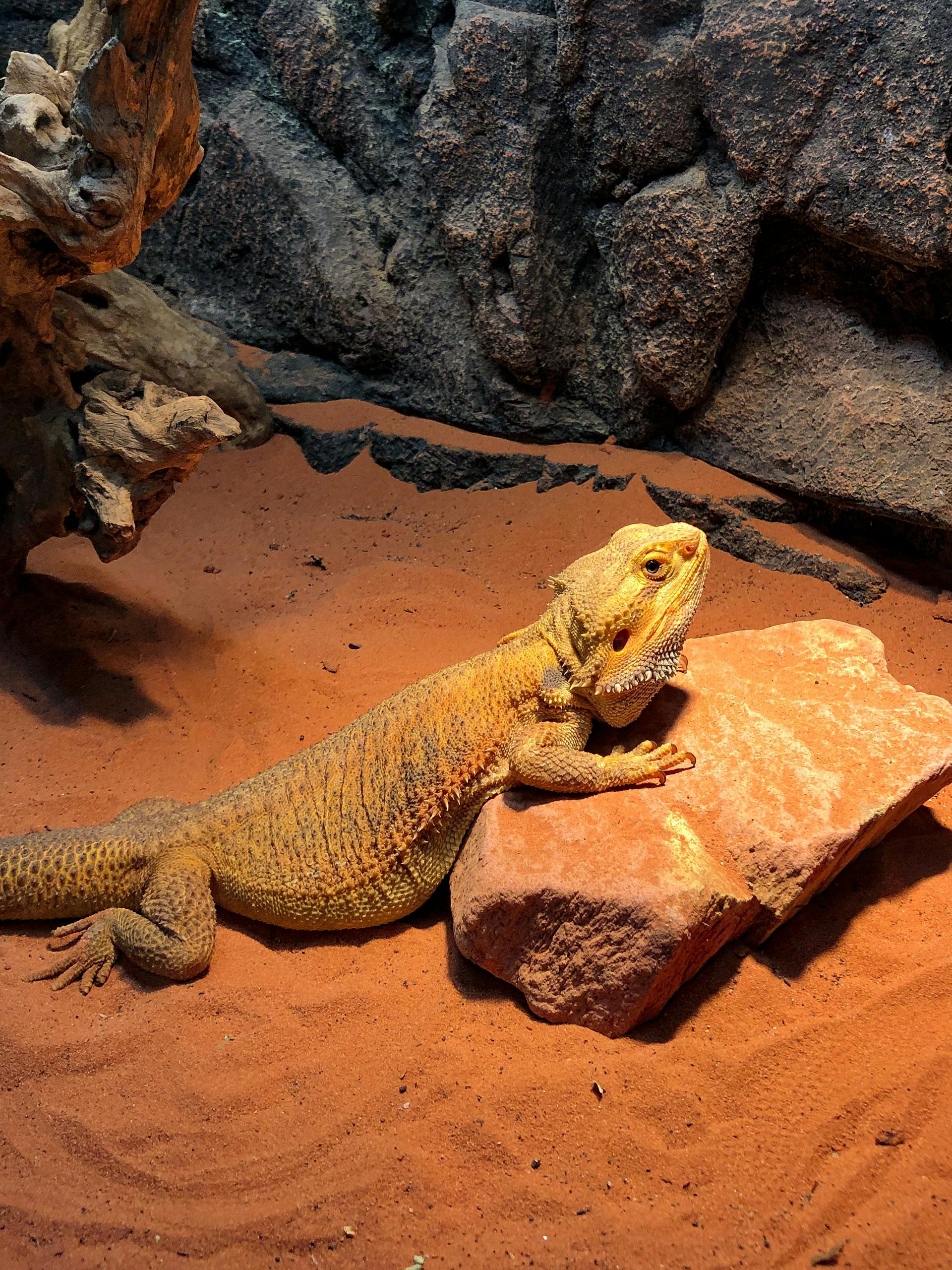
Bearded Dragon Lighting Setup
The Ultimate Beginner’s Guide to Bearded Dragon Lighting and Heating Setup
Creating the perfect environment for your bearded dragon is essential to their health and well-being. One critical aspect of their habitat is the lighting and heating setup. Bearded dragons require a carefully balanced combination of light, heat, and UVB exposure to thrive. This guide explains everything you need to know to ensure your bearded dragon lighting setup meets their needs.
Why Proper Lighting is Essential for Bearded Dragons
Bearded dragons originate from the arid regions of Australia, where they bask under the intense sun. In captivity, replicating this natural environment is crucial for their physical and psychological health. Proper lighting and heating promote digestion, support metabolic functions, and prevent serious health issues like metabolic bone disease.
Key benefits of proper lighting:
- Stimulates natural behaviors
- Supports bone development through UVB exposure
- Maintains healthy digestion with adequate basking temperatures
Bearded Dragon Lighting Requirements
Understanding bearded dragon lighting requirements is the foundation of creating an optimal habitat. These requirements include a combination of UVB light, heat, and a day-night cycle to mimic their natural environment.
UVB Lighting: A Necessity for Health
UVB light is non-negotiable for bearded dragons. It helps them synthesize vitamin D3, which is essential for calcium absorption. Without proper UVB exposure, your dragon can suffer from metabolic bone disease and other calcium deficiency-related issues.
Key points to remember about UVB lighting:
- Use a high-quality UVB bulb, such as the Mega-Ray Mercury Vapor Bulb.
- Ensure proper distance: For example, the 100-watt Mega-Ray bulb should be placed 14-16 inches from the basking area for optimum UVB exposure.
- Replace UVB bulbs every 6-12 months, as their effectiveness diminishes over time.
Heat Lamps: Regulating Temperatures
Bearded dragons are ectothermic, meaning they rely on external heat sources to regulate their body temperature. A proper heat lamp is essential for creating a basking spot with the correct temperature gradient.
Optimal temperature zones:
- Basking area: 95-110°F
- Cooler side: 75-85°F
- Nighttime: No lower than 65°F
Use the best lighting setup for bearded dragon habitats to achieve these temperature ranges and ensure your dragon can move between zones for thermoregulation.
Day-Night Cycle: Maintaining a Natural Rhythm
A consistent day-night cycle is important for your dragon’s circadian rhythm. Aim for 12-14 hours of daylight and 10-12 hours of darkness, adjusting slightly for seasonal variations.
Tips for maintaining the cycle:
- Use timers to automate lighting schedules.
- Avoid bright lights at night, as bearded dragons need complete darkness for restful sleep.
Setting Up the Best Bearded Dragon Light Setup
Now that you understand the requirements, let’s discuss the steps to create the best lighting setup for your bearded dragon.
Step 1: Choose the Right Equipment
For optimal results, invest in high-quality equipment designed for reptiles. The Mega-Ray Mercury Vapor Bulb is a top choice for both UVB and heat, simplifying your setup.
Required items:
- Mega-Ray Mercury Vapor Bulb (appropriate wattage for your enclosure size)
- Ceramic light fixture with a heat-resistant base
- Digital thermometer and hygrometer
- Timer for automated lighting
Step 2: Position Your Bulbs Correctly
Proper positioning of bulbs is crucial to ensure your dragon receives adequate UVB and heat without overheating.
General guidelines:
- Place the UVB bulb 14-16 inches above the basking area for a 100-watt bulb.
- Ensure there are no obstructions, like screens, that could block UVB rays.
- Create a temperature gradient with the basking area on one side and a cooler zone on the other.
Step 3: Monitor and Adjust
Regular monitoring is essential to ensure your setup remains effective.
What to check:
- Use a digital thermometer to measure temperatures in the basking and cool areas.
- Adjust bulb heights as needed to maintain optimal UVB and heat levels.
- Replace bulbs according to manufacturer guidelines.
Common Mistakes in Bearded Dragon Lighting Setup
Even with the best intentions, mistakes can happen. Avoid these common pitfalls:
- Incorrect bulb distances: Placing UVB bulbs too close or too far can reduce their effectiveness.
- Neglecting bulb replacements: UVB output diminishes over time, even if the bulb still emits light.
- Improper fixtures: Using non-ceramic fixtures can pose a fire risk with high-wattage bulbs.
- Inconsistent lighting schedules: Irregular day-night cycles can stress your dragon.
Frequently Asked Questions
What’s the best lighting setup for bearded dragons? The best lighting setup combines a high-quality UVB bulb like the Mega-Ray Mercury Vapor Bulb with a heat lamp to create a basking spot and maintain a temperature gradient.
How far should the UVB light be from my bearded dragon? It depends on the bulb’s wattage. For a 100-watt Mega-Ray bulb, the optimum distance is 14-16 inches from the basking area.
Can I use a screen over the enclosure? Screens can block 20-40% of UVB rays. If you must use a screen, consider increasing the bulb’s proximity to the basking area to compensate.
How do I maintain proper humidity levels? Bearded dragons prefer low humidity levels of 30-40%. Use a hygrometer to monitor humidity and provide adequate ventilation.
When should I replace my UVB bulb? Replace UVB bulbs every 6-12 months, even if they still emit light, as their UVB output diminishes over time.
Lighting Up the Path to a Healthy Bearded Dragon
A proper bearded dragon light setup is the cornerstone of their health and happiness. By understanding their lighting requirements and setting up their habitat correctly, you’ll ensure they thrive in captivity. Invest in high-quality products like the Mega-Ray Mercury Vapor Bulb to provide the UVB and heat they need for a long, healthy life. For more information on essential lighting for bearded dragon habitats, explore our guides and shop for the best bulbs today.